Did you know that drawing a perfect circle can reveal a lot about your motor skills, focus, and even creativity? Most people think circles are simple but the moment you try to draw one freehand, it becomes a fascinating challenge. That’s because circles test your hand eye coordination like few other shapes can. They bring together geometry, psychology, and the art of precision in one smooth motion.
If you’ve ever tried the “Draw a Perfect Circle” challenge online, you’ve felt that mix of excitement and determination and the joy of watching your line curve just right. This is where circles and motor skills come together beautifully. Whether you’re a student doodling in class, an artist perfecting your technique, or someone looking for a fun brain workout, circles are more than just shapes they’re your path to smoother, easier drawing.
Why Circles and Motor Skills Are So Connected
When you draw, your brain and hand work as a team. Motor skills are the foundation of this teamwork; they control how accurately your muscles move. Circles, being symmetrical and continuous, demand fluid, precise motion. That’s why practicing them strengthens both fine motor skills (small, detailed movements) and gross motor coordination (bigger, controlled motions).
In a 2024 study published in Frontiers in Psychology, researchers found that repetitive circular drawing improved both hand stability and creative confidence in participants aged 1218. The smoother the circle, the steadier the hand and the calmer the mind. It’s like mindfulness with a pencil!
The Science Behind Smooth Circles
Drawing a circle may look simple, but it activates multiple parts of your brain including the motor cortex, cerebellum, and visual spatial processing areas. Here’s how it works:
- Your motor cortex sends signals to control hand movement.
- The cerebellum fine tunes those movements for balance and precision.
- Your visual system continuously adjusts based on what you see.
Each time you draw a circle, your brain performs a mini workout. The more you practice, the better your hand eye coordination, timing, and control become. That’s why educators often use circular motions to help children develop writing and sketching skills early on.
“Practicing circular drawing helps train muscle memory faster than any other basic shape,” says Laura Chen, an art and geometry instructor with 15 years of experience. “It’s not just drawing, it’s brain training in disguise.”
How Circles Improve Everyday Drawing Skills
Want to draw smoother lines, accurate shapes, or balanced sketches? Circles are your secret weapon. Here’s why:
- Improved Line Control Repeated circular motion trains your wrist to move fluidly, avoiding shaky lines.
- Better Hand Stability The consistent curve helps reduce jerky movements and builds steadiness.
- Spatial Awareness Boost Circles teach proportion, symmetry, and alignment key for all types of drawing.
- Increased Focus and Flow Circular repetition has a calming, meditative rhythm that enhances concentration.
- Enhanced Creativity Circles inspire design thinking from mandalas to modern art, they fuel imagination.
So the next time you doodle a circle, remember: you’re strengthening your drawing foundation one smooth curve at a time.
Personal Circle Challenge Story
When I first tried the online Draw a Perfect Circle Tool, I was confident I’d ace it. My first score? A not so impressive 64%. My circle looked like a potato. But instead of giving up, I turned it into a mini challenge.
After a week of practice focusing on steady breathing and smoother wrist motion I reached 88%. The key was realizing that circles test patience, not perfection. That small improvement taught me how motor skills grow through gentle repetition. And honestly, it was way more fun than I expected!
If you haven’t tried the tool yet, give it a shot. See how your circles evolve each time and don’t forget to share your score.
The Psychology of Drawing Circles
Circles have deep psychological meaning. They represent unity, continuity, and wholeness shapes that naturally make our brains feel balanced. When you draw or trace circles, your body relaxes. Psychologists often use circular motions in art therapy to reduce stress and encourage creative flow.
In one classroom study, students who practiced circular drawing for 10 minutes before exams showed a 17% increase in focus levels compared to those who didn’t. Circles literally help your brain “round out” distractions.
So next time you feel anxious or unfocused, grab a pencil and start drawing gentle circles. Your hands and your mind will thank you.
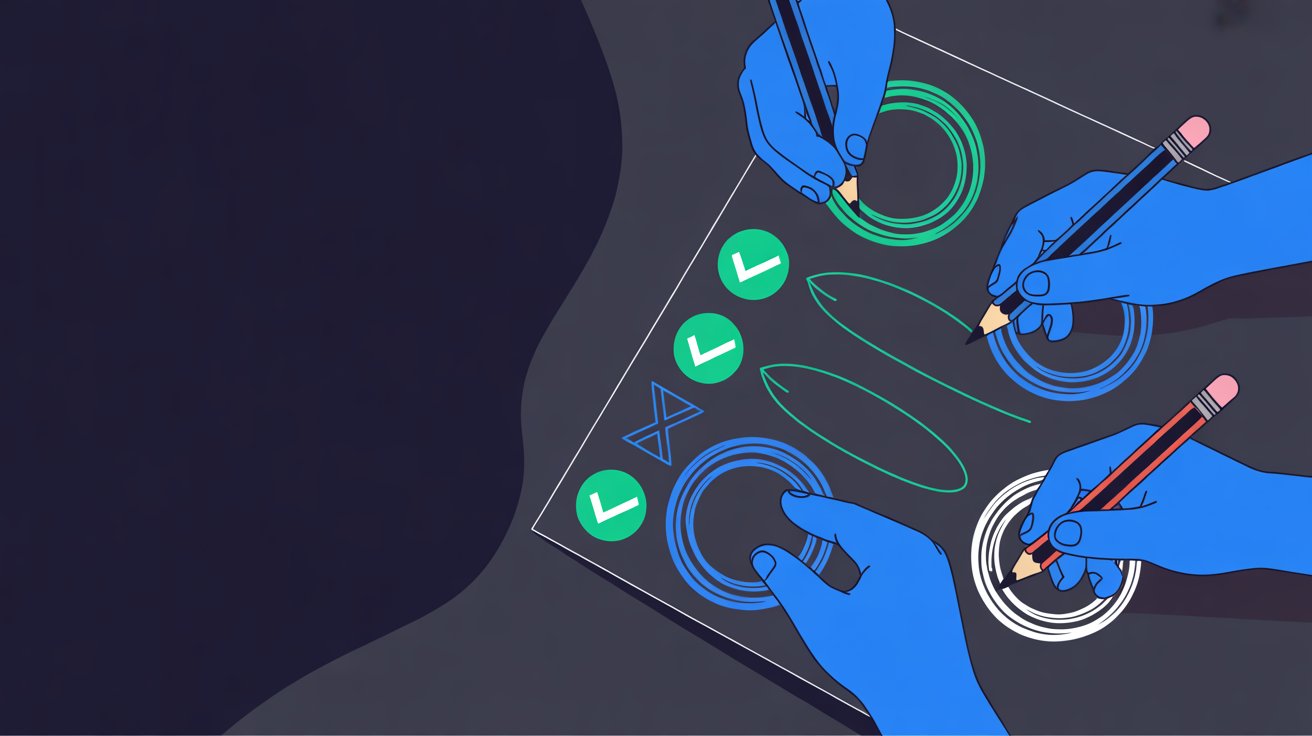
How to Train Your Motor Skills Using Circles
Here’s a quick and fun exercise plan to sharpen your motor skills using circles:
- Warm Up Circles (2 minutes) Draw small circles repeatedly in both directions.
- Mirror Practice (3 minutes) Draw circles with both hands simultaneously to balance coordination.
- Speed vs Accuracy Test (3 minutes) Try drawing circles quickly, then slowly, and compare your control.
- Draw a Perfect Circle Tool (5 minutes) Use the online tool to measure accuracy. Aim to beat your score!
- Creative Spiral Challenge Turn your circles into flowers, mandalas, or abstract designs.
Consistency is key. The more circular motion you repeat, the more efficient your brain becomes at controlling fine movements and the easier every drawing will feel.
Expert Insights: Why Teachers Love Circles
Art educators often start lessons with circles for a reason. They combine geometry with psychology in a way that builds confidence fast.
According to Mark Rivers, a visual learning expert, “Circles engage both sides of the brain. The left side analyzes proportion, while the right side enjoys the rhythm and flow. It’s one of the rare exercises that balance logic and creativity simultaneously.”
That’s also why many professional artists still warm up with circles before beginning detailed sketches. It’s like stretching before running a small step that makes a big difference.
Interactive Fun: Try the Draw a Perfect Circle Tool
Ready to test your skills? Visit the Draw a Perfect Circle Tool and put your motor skills to the test! The tool measures accuracy in real time the smoother your circle, the higher your score.
Challenge your friends, share your results, or post them on social media with a fun caption like “Can you beat my 90% circle?” It’s a simple, satisfying way to train precision and have a good laugh while you’re at it.
And who knows with a little practice, you might even join the top 5% who can draw nearly perfect circles by hand!
Conclusion
Drawing circles isn’t just a fun challenge, it’s a brain boosting skill builder. The link between circles and motor skills shows us how art, focus, and movement come together to make us better creators. Each curve you draw improves coordination, calms your mind, and fuels creativity.
So grab a pencil, open the circle tool, and start your journey to smoother, more confident drawing. Every attempt brings you closer to perfection one circle at a time.
👉 Try our tool now, share your score, and explore more circle challenges today!
FAQs About circles and motor skills
Why are circles good for improving motor skills?
Circles require steady, controlled motion, which strengthens fine motor coordination and hand eye balance. Practicing them regularly enhances both drawing accuracy and focus.
Can drawing circles help beginners improve faster?
Yes! Circles are a great foundation exercise. They help beginners master fluid motion, spacing, and symmetry skills essential for all types of drawing.
How does the Draw a Perfect Circle Tool work?
It tracks your line movement and compares it to a perfect circle using geometry based accuracy scoring. The smoother your motion, the higher your score.
Are circles used in art therapy or psychology?
Absolutely. Circles symbolize harmony and are often used in art therapy to reduce stress, improve focus, and encourage mindfulness through repetitive motion.
How long does it take to improve motor skills through circle drawing?
Most people notice improvement within a week of daily 5 minute practice sessions. The key is consistency and focusing on relaxed, smooth motion.