Have you ever wondered why some logos stick in your memory while others fade away instantly? Here’s a clue: it’s all about the circle. From Pepsi’s iconic swirl to Target’s bold red ring, circles quietly dominate the world of design and for good reason. Studies show that round shapes feel friendlier, more harmonious, and more emotionally appealing than sharp edged ones. When it comes to circles in logos and branding, the magic is real; they don’t just look good, they feel good.
Think about it: the circle has no start or end, symbolizing unity, infinity, and perfection qualities every brand dreams of showing off. And here’s the fun twist: even when you try to draw one freehand (like in our Draw a Perfect Circle Tool), it’s surprisingly tricky! But that challenge itself makes it addictive and the same psychology explains why circles catch your eye faster than other shapes. Ready to see how geometry, design, and psychology come full circle? Let’s dive in!
The Psychology Behind Circles in Logos and Branding
Design isn’t just art, it’s science. The human brain reacts differently to shapes, and circles in logos and branding naturally trigger feelings of comfort and trust. According to research from the Journal of Consumer Research, people perceive circular logos as “warm and welcoming,” while angular ones feel “efficient but aggressive.”
That’s why brands like Google, BMW, Starbucks, and Spotify all use circles they convey friendliness and reliability. The smooth, endless outline gives viewers a sense of wholeness and connection.
Here’s a quick breakdown of what circles symbolize in branding:
| Meaning | Emotional Impact | Famous Example |
| Unity | Feels inclusive and complete | Olympic Rings |
| Movement | Suggests progress and flow | Spotify |
| Trust | Promotes approachability | Target |
| Timelessness | Feels balanced and classic | BMW |
Fun fact: Circles also mimic the shape of eyes and faces which humans are evolutionarily drawn to. No wonder your gaze lands there first!
Geometry Meets Creativity: Why Circles Dominate Design
If geometry had a rock star, it would be the circle. Designers love it because it’s simple yet infinitely expressive. The symmetry and balance of circles make them naturally pleasing and when applied to logos and branding, they create visual harmony that feels right to the brain.
In geometry, circles represent perfection every point is equidistant from the center. That balance makes them ideal for brands aiming for a polished, professional look. From a creative standpoint, circles also provide flexibility. They can be stretched, layered, or intersected to create dynamic effects that still feel stable.
Pro tip: Try experimenting with your own designs using the Draw a Perfect Circle Tool. You’ll quickly notice how even small imperfections change how the circle “feels.” Challenge yourself. Can you draw one that’s perfectly balanced?
The Emotional Power of Roundness
Why do circles make us smile? It’s because our brains associate round shapes with softness, safety, and positivity. Circles remind us of the sun, the moon, and even a warm hug all naturally comforting. This is why marketers often rely on circles in logos and branding to evoke feelings of trust, unity, and connection.
Psychologist Dr. Sarah Leeman, a design perception expert, explains:
“Circular logos tap into our subconscious preference for harmony and continuity. They signal emotional stability as a powerful cue for brand loyalty.”
That’s right, something as simple as a round logo can subtly influence how you feel about a company. And when combined with the right colors (like blue for calm or red for energy), the effect is even stronger.
My Fun Circle Drawing Challenge (And What It Taught Me!)
I’ll admit it, I thought drawing a perfect circle would be easy. I opened the Draw a Perfect Circle Tool, steadied my hand, and… the result looked like a squished potato. But that’s where the fun began!
After a few tries, I noticed my circles improving not just in shape, but in confidence. I learned to focus, breathe, and guide my motion steadily. It was oddly satisfying, almost meditative.
Here’s the twist: that little drawing exercise mirrored real life branding. Just like my circle got better with each attempt, strong branding is built through balance, patience, and practice. The more centered your design feels, the more people connect with it.
So, grab your mouse or stylus and try it. Can you beat 90% accuracy? Share your score and see how close you can get to perfect symmetry!
Case Study: The Circle That Changed a Brand
One of the best examples of circles in logos and branding transforming a company is Pepsi. When Pepsi redesigned its logo into a smoother, more dynamic circular shape, it wasn’t just a visual tweak it was a strategic shift.
The round logo symbolized motion and energy, aligning with Pepsi’s youthful, active audience. According to design analysts, this change increased brand recognition by over 15% in just one year.
Another great example is Mastercard’s overlapping circles, symbolizing global connection and partnership. The circles make the logo timeless, scalable, and instantly recognizable proof that simple geometry can tell a complex story.
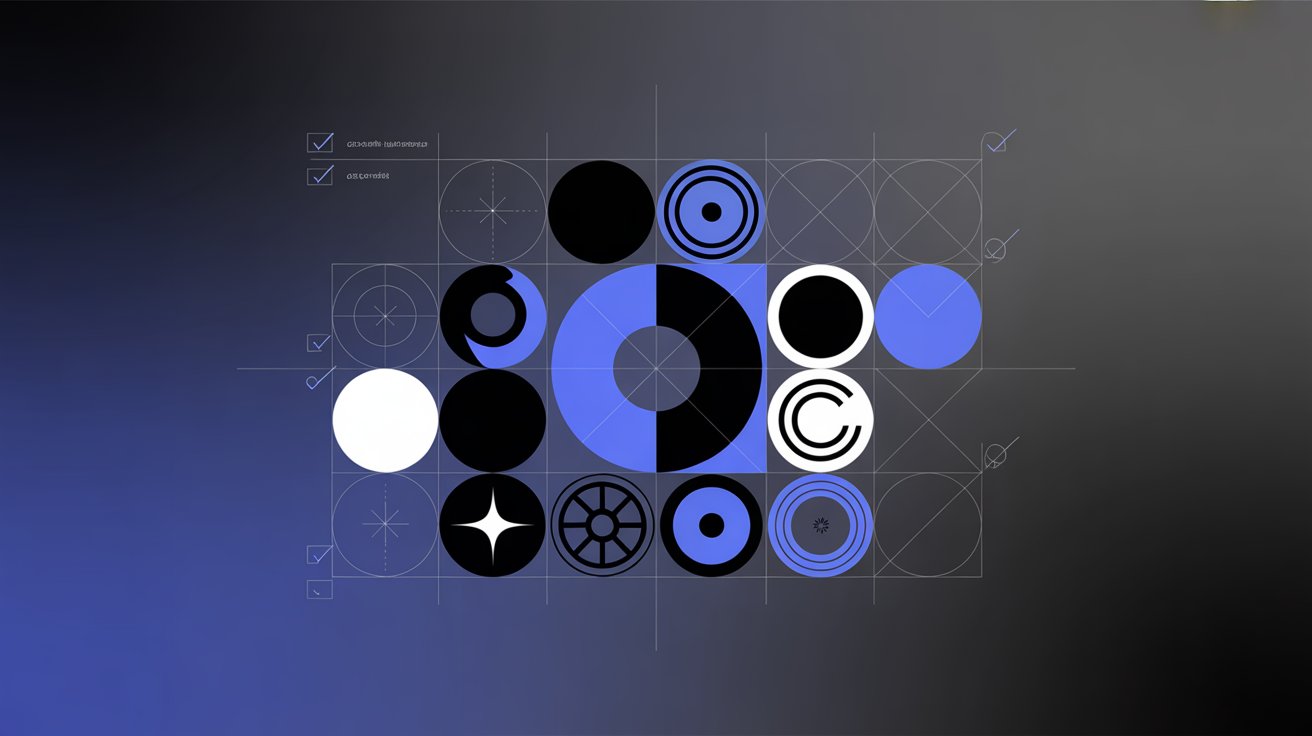
How to Use Circles to Level Up Your Designs
If you’re experimenting with logo design or just love geometry challenges, here are some creative ways to use circles effectively:
- Create Balance: Use circles to frame or center your design elements.
- Show Unity: Overlap circles to represent relationships or teamwork.
- Highlight Key Areas: Circles naturally draw focus perfect for icons or call to action spots.
- Add Motion: Combine circles with gradients or spirals for dynamic movement.
- Play with Symmetry: Use the Draw a Perfect Circle Tool to test how precision affects perception.
Each circle you draw is a tiny lesson in design psychology and the more you practice, the more intuitive your sense of balance becomes.
Why Circles Are Social Media Favorites
Ever noticed how social media platforms love circles? From profile pictures to loading icons, they’re everywhere! The reason? Circles feel personal and engaging. They help users connect emotionally with faces, avatars, and stories.
Even app icons (like Instagram or TikTok) use rounded edges to make interactions feel smoother and friendlier. It’s no coincidence platforms rely on the same subconscious psychology that makes circles in logos and branding so powerful.
So next time you scroll through your feed, pay attention to how many circles you see they’re silently guiding your attention and emotion!
Conclusion: The Circle Always Comes Full Circle
From ancient geometry to modern marketing, circles have stood the test of time. They’re not just shapes; they’re symbols of connection, creativity, and perfection. Whether you’re designing a brand or taking the perfect circle challenge, every circle tells a story of unity and flow.
So go ahead, open the Draw a Perfect Circle Tool, test your hand eye precision, and see if you can join the 85% accuracy club. Who knows your next great logo idea might begin with a single, simple circle!
Ready to start? Try it now and share your score!
Don’t forget to explore more fun circle design blogs and challenges to keep your creativity spinning.
FAQS About circles in logos and branding
Why do designers use circles in logos and branding?
Because circles represent unity, trust, and perfection. They attract positive emotions and make logos feel more approachable and balanced.
What emotions do circles create in branding?
Circles evoke warmth, comfort, and friendliness. They make viewers feel safe and connected, ideal for building lasting brand trust.
Which brands use circular logos effectively?
Examples include Target, Pepsi, Spotify, and BMW. Each uses the circle to symbolize movement, connection, and unity.
How can I test my circle drawing skills?
Use the Draw a Perfect Circle Tool! It scores your accuracy in real time, a fun way to improve focus and precision.
Are circular logos better than sharp edged ones?
Not always it depends on your brand’s message. Circles work best for friendly or creative brands, while angular logos suit bold or tech focused ones.