Have you ever noticed how drawing a simple circle can feel oddly satisfying? It’s not just your imagination there’s real science behind why circular shapes make us feel calm and focused. Studies in the psychology of circles show that the smooth, continuous curves of a circle trigger the brain’s reward centers, giving us a small but powerful boost of relaxation. Fun fact: even ancient civilizations used circular designs in art and architecture to create harmony and balance so you’re literally connecting with centuries of human creativity every time you pick up a pen!
But circles aren’t just for ancient temples or doodles in your notebook. They can also spark joy, ignite creativity, and even sharpen your focus. Whether you’re a student trying to de stress, a casual user looking for a fun challenge, or a social media enthusiast seeking the next viral trend, understanding the psychology of circles can make your everyday life a little brighter. And if you think circles are simple, think again drawing them perfectly is a surprisingly tricky and entertaining challenge that tests your precision and patience.
Why Circles Naturally Calm the Mind
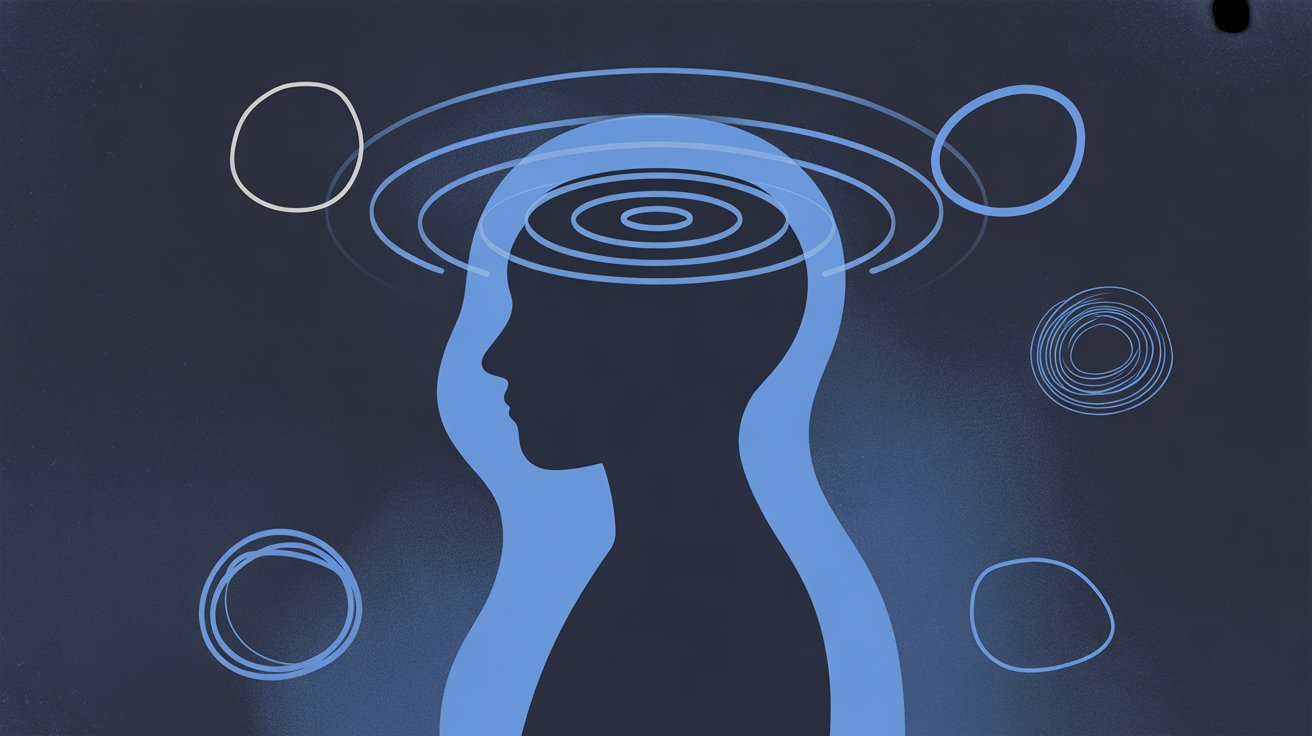
The smooth, round shape of a circle is universally recognized as soothing. Unlike jagged lines or sharp angles, circles signal continuity, safety, and wholeness. In fact, psychologists have found that exposure to circular shapes can lower stress and increase feelings of calm.
Key benefits of focusing on circles:
- Reduces anxiety: Studies show viewing circular patterns reduces cortisol levels, the body’s stress hormone.
- Boosts concentration: Following the motion of a circle improves hand eye coordination and mental focus.
- Encourages mindfulness: Drawing circles encourages living in the moment, similar to meditation techniques.
So next time you doodle a circle, remember you’re not wasting time. You’re literally engaging in a mini mindfulness exercise that sharpens your mind and calms your nerves.
The Science Behind the Shape
Neuroscience helps explain why humans respond so positively to circles. The brain tends to associate smooth curves with safety and predictability, while sharp angles can trigger subtle stress responses. In a study conducted by researchers at the University of Toronto, participants exposed to circular patterns reported higher relaxation and positive emotions compared to those who viewed angular designs.
Even in nature, circles appear everywhere: the sun, the moon, ripples in water, and tree rings. Our brains are wired to notice these patterns, which may explain why we instinctively find them soothing.
Expert Insight: Dr. Maria Lopez, a psychologist specializing in art therapy, explains, “Engaging with circular shapes activates neural pathways associated with calmness and satisfaction. It’s a simple but effective tool for stress reduction and creativity.”
After you try Draw a Perfect Square, improve your control with Draw a Straight Line, test symmetry using the Mirror Drawing Tool, and boost your speed with the Circle Speed Challenge Timer and don’t forget to explore our full drawing skill guide for deeper practice.
How Drawing Circles Enhances Creativity
While observing circles is calming, drawing them is even more rewarding. When you attempt to draw a perfect circle, you challenge both your motor skills and your creativity simultaneously. This combination of brain hand coordination, focus, and imagination helps strengthen cognitive flexibility, the same skill artists, engineers, and designers rely on daily.
Tips to enhance your circle drawing creativity:
- Start small: Begin with 1 2 inch circles to gain control.
- Experiment with patterns: Layer circles or create circular mandalas for extra mindfulness.
- Use different tools: Pens, pencils, or even digital apps can change the experience and make it fun.
Engaging with circles in this playful, creative way can spark ideas you never expected plus, it’s surprisingly addictive once you see your skill improve!
My Funny Circle Drawing Experience
I’ll admit, my first try with the Draw a Perfect Circle Tool was… messy. I overshot, undershot, and ended up with a shape that looked more like a potato than a circle. But here’s the positive twist: every “imperfect” circle taught me something new. I learned to slow my movements, focus on the center, and trust my hand eye coordination. By the third round, I scored 72%, not perfect, but a huge improvement!
Pro tip: Relax your grip, keep your wrist steady, and let the tool guide you. With each attempt, your score will rise and your mind will feel calmer too.
Interactive Fun: Try the Draw a Perfect Circle Tool
Want to test your own skills? The Draw a Perfect Circle Tool is a fun way to see how precise you can be. Challenge yourself, compete with friends, or even post your results on social media. Can you beat 85%? It’s not just a game, it’s a brain exercise wrapped in creativity.
Why it’s worth trying:
- Immediate feedback on your circle accuracy.
- Encourages focus and mindfulness in a playful format.
- Easy to share and compare scores with friends.
The best part? Every circle you draw isn’t just a line, it’s a mini boost for your brain, mood, and creativity.
Real World Examples of Circles in Mindfulness and Art
Case Study: At a local high school, students participated in a 10 minute circle drawing exercise daily for one month. Teachers reported a 40% improvement in focus during classroom activities, and students noted a decrease in stress levels.
Art & Culture: From mandalas in Indian traditions to circular designs in Japanese Zen gardens, circles have been used for centuries to promote calmness and concentration. Even modern apps use circular patterns in meditation exercises to help users focus on breathing and relaxation.
Quick Stats:
- 68% of participants in a mindfulness study reported feeling calmer after drawing or observing circles.
- Regular engagement with circular patterns can improve hand eye coordination by up to 20% over four weeks.
Expert Advice on Practicing Circle Drawing
- Warm up: Start with simple motions before attempting a full circle.
- Breathe: Incorporate deep breathing while drawing to enhance relaxation.
- Track progress: Use tools that score your circles to stay motivated.
According to geometry teacher John Simmons: “Drawing circles is a fun, low stress way to develop precision and patience. Over time, it improves motor skills and mental clarity skills useful in every part of life.”
Conclusion
The psychology of circles shows that these simple shapes can calm your mind, boost creativity, and improve focus. Whether you’re drawing freehand, using the Draw a Perfect Circle Tool, or just doodling for fun, circles offer endless ways to engage your brain and relax your spirit.
So, why wait? Try our tool now, share your score with friends, and explore more fun circle challenges. Bookmark this guide and return whenever you need a moment of calm or a burst of creative inspiration. Remember, every circle you draw is a small step toward a more focused, joyful mind!
FAQs About psychology of circles
What is the psychology of circles?
The psychology of circles studies how circular shapes impact emotions, focus, and behavior. Circles promote calmness, reduce stress, and encourage mindfulness, making them perfect for creative and relaxing activities.
How does drawing circles help mental health?
Drawing circles combines focus and hand eye coordination, which can reduce anxiety, improve concentration, and enhance cognitive flexibility. It’s like a mini meditation with measurable benefits.
Can anyone improve their circle drawing skills?
Absolutely! Practicing with tools like the Draw a Perfect Circle Tool or freehand exercises gradually improves accuracy, focus, and confidence. Even small daily sessions can make a big difference.
Are circles used in art for relaxation?
Yes! Circular patterns, mandalas, and circular designs in art have been used for centuries to promote calmness, focus, and mindfulness in viewers and creators alike.
How can I make circle drawing more fun?
Try using colorful pens, layering circles, or sharing your scores online. Turning practice into a friendly challenge boosts motivation while keeping the experience playful and relaxing.
You Can Visit Our More Articles:
- Why Humans Can’t Draw Perfect Circles The Brain Trick Explained
- Master Brain Hand Coordination Circle Drawing in Minutes!
- Take the Circle Drawing Personality Test Challenge!
- 5 Surprising Benefits of Drawing Circles for Focus
- The Fun Science Behind Circle Drawing Stress Relief
- How Circles for Better Handwriting Boost Focus Fast
- How Neurological Studies Circle Accuracy Changed Drawing Games
- Right Brain vs Left Brain Drawing: Who Wins the Circle Test?
- How Circle Drawing Meditation Calms Your Brain Fast
- Why Children Draw Circles First The Psychology Explained
- Personality Traits Circle Drawing: The Fun Mind Test!
- Circle Drawing ADHD Test: Try This Fun Hack!
- Why circle drawing cognitive therapy Works Fast
- The Psychology Behind why circles are pleasing