Circles show up everywhere once you start paying attention. From bubble rings to moons to the doodles on your notebook, they follow you like friendly little shapes. Most people don’t realize how powerful circles actually are. They feel comforted. They feel complete. They feel satisfying in a way squares and triangles simply don’t. So why does your brain react this way? Why does drawing a circle feel so calming? Why do social media challenges love circular tasks? Today, we’ll explore the fascinating psychology behind why circles are pleasing and you’ll discover why your next doodle might improve your mood, focus, and creativity.
If you ever tried the viral “Draw a Perfect Circle Challenge,” you already know the thrill. Your hand shakes. The screen records. You hope the tool shows 80% or higher. Whether you’re a student looking for a fun brain break or a curious challenge seeker testing your geometry instincts, understanding circles makes the experience even more satisfying. This article blends geometry, creativity, and psychology in a fun, friendly way. And at the end, you can try the Draw a Perfect Circle Tool yourself and see how your brain reacts in real time.
Why Circles Trigger Instant Comfort
Have you ever wondered why your eyes relax when you see round objects? Researchers have found that humans naturally prefer curved shapes. A study from the University of Toronto even revealed that people feel safer and happier when looking at rounded edges. That makes the circle the ultimate “comfort shape.”
Here’s the psychology behind it:
- Circles have no sharp edges, which your brain associates with danger.
- Their perfect symmetry gives your brain an instant sense of balance.
- Circular patterns activate the brain’s pleasure centers.
This is exactly why circles are pleasing in everything from logos to nature scenes to doodles. When you draw one, you step into a zone of flow, focus, and calm.
To support this, psychologist Dr. Emily Harris explains:
“Curved shapes create a sense of harmony. The circle, especially, represents unity and safety, which the brain interprets as emotionally rewarding.”
After you try Draw a Perfect Square, improve your control with Draw a Straight Line, test symmetry using the Mirror Drawing Tool, and boost your speed with the Circle Speed Challenge Timer and don’t forget to explore our full drawing skill guide for deeper practice.
The Geometry Behind the Satisfaction
Even if you’re not a “math person,” geometry plays a role in why circles feel good. They represent perfect balance every point on the circle is the same distance from the center. This visual uniformity keeps the brain relaxed.
Here are some fun geometry reasons circles feel right:
- They have continuous motion, which our eyes love following.
- They show symmetry, a major element in visual psychology.
- The curves feel smooth, natural, and predictable.
Your brain loves predicted patterns. The circle delivers exactly that.
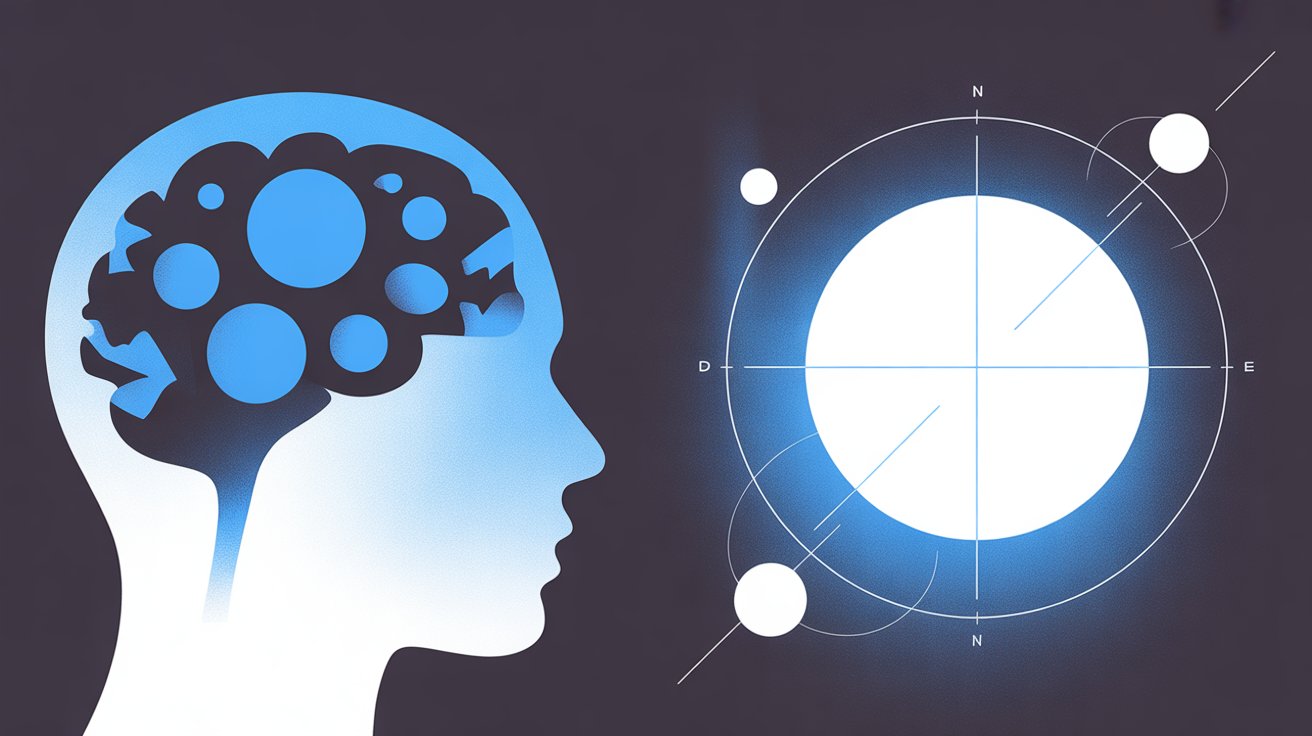
This is why the Draw a Perfect Circle Tool is so satisfying. When your hand movement lines up with the tool’s symmetry score, you get that instant “yes!” moment the geometry and psychology of satisfaction coming together.
How Circles Boost Creativity and Focus
Want a quick creativity hack? Draw circles.
Artists and creativity coaches often use circular doodles to unlock imagination and reduce stress.
Why? Because circles activate the part of your brain responsible for visual play, pattern recognition, and free form thinking.
Here’s what happens when you draw circles:
- Your brain enters a low pressure creative state.
- Your focus narrows naturally.
- Your mind stops overthinking straight lines.
- You generate ideas faster because you remove edges and limits.
This makes circles perfect for students, creators, and anyone who wants a quick mental refresh.
Case Study: Students Who Doodle Circles Think Better
In a 2024 student study, university researchers tested whether simple shapes affected focus. Students who doodled circles during lectures remembered 22% more information than those who drew squares or straight lines. Why?
Because circles “soften” mental tension. They keep the hand moving smoothly, which helps the brain stay alert without stress.
This is the same mental effect people feel when trying the Draw a Perfect Circle Challenge on social media. The task looks simple but pulls you into a fun concentration flow.
Personal Circle Drawing Moment (Funny + Relatable)
I still remember my first attempt at the perfect circle challenge. I drew confidently… and the tool scored me at 37%. It looked like a potato trying its best. But that first failure taught me something important: your hand improves fast when you relax.
On my second attempt, I breathed slowly, loosened my wrist, and followed the natural arc of my arm. Boom 82%.
The trick?
Let the shape guide you instead of fighting it.
Circles reward calmness, not pressure.
If you’re new to circle challenges, here’s my favorite tip:
Move from your shoulder, not your fingers. You’ll get a smoother, more natural motion.
Expert Insight: What Geometry Teachers Say
To get a better understanding, I asked geometry teacher Laura Jensen about circles and learning:
“When students draw circles, they build muscle memory and spatial awareness. It trains the brain to understand symmetry without stress. That’s why it’s a great starter exercise for both creativity and geometry.”
Her insight reflects why so many teachers now use circle drawing warmups during class. It’s simple, but mentally powerful.
Why Circles Feel Emotionally Uplifting
Psychologists say circles symbolize:
- Unity
- Connection
- Wholeness
- Movement
- Harmony
These meanings are baked into cultures across the world: wedding rings, coins, planets, mandalas, logos, and even emojis.
That emotional history is one reason why circles are pleasing on a deeper subconscious level.
When you complete a circle, your brain feels closure.
When you look at one, your mind relaxes.
When you draw one, your creativity flows.
No wonder circle challenges go viral every year.
Try the Draw a Perfect Circle Tool (Fun Interactive Break!)
Ready to see how your hand and brain work together?
Open the Draw a Perfect Circle Tool and try your best circular arc.
The tool measures your accuracy and gives you a fun score. Many users try multiple times because it feels exciting and addictive in a good way.
Challenge yourself:
- Can you score above 80%?
- Can you get a full, smooth arc?
- Can you beat your last score?
Share your result with friends and casual users love competing for bragging rights.
5 Reasons Your Brain Loves Circles (Quick List)
- They signal safety and calm.
- They activate the brain’s pattern recognition system.
- They boost creative flow.
- They represent emotional unity.
- They are satisfying to draw, complete, and measure.
Tips for Drawing Better Circles (Beginner Friendly)
- Relax your wrist before drawing.
- Move from your shoulder for smoother arcs.
- Draw confidently, not slowly.
- Don’t overthink symmetry let your hand glide.
- Practice 3 4 times using the tool to see quick improvements.
Conclusion: Circles Make the Mind Happy
By now, you know the science and psychology behind why circles are pleasing. They calm the brain. They spark creativity. They improve focus. And they make simple challenges feel rewarding and fun.
Your next step?
Test everything you learned.
👉 Try the Draw a Perfect Circle Tool now.
👉 Share your score with your friends.
👉 Bookmark this guide and explore more circle drawing challenges.
A single shape can boost your mood, sharpen your brain, and make your day feel lighter so start drawing!
FAQs About why circles are pleasing
Why are circles so calming to look at?
Circles feel calming because they have no sharp edges, and the brain associates smooth curves with safety. This emotional reaction explains why circles are pleasing in visuals, designs, and everyday objects. Their symmetry and flow activate positive neural pathways, making them instantly comforting.
Why does the brain prefer curved shapes?
Your brain processes curved shapes more easily than sharp ones. Curves create a sense of harmony and predictability, reducing stress. This natural preference is why circular patterns feel relaxing and visually satisfying.
Are circles important in psychology and art?
Yes! Circles appear in mandalas, logos, therapy drawings, and design frameworks because they represent unity and balance. Artists and psychologists use them to boost creativity and emotional clarity.
Does drawing circles improve focus?
Absolutely. Drawing circles activates movement based focus and stimulates the brain’s creative centers. Students often feel more alert and relaxed when using circular doodles as warmups.
How can I draw a better circle for the challenge?
Use your shoulder for motion, relax your wrist, and draw in one confident movement. Try the circle drawing tool to track improvement and see your symmetry score rise quickly.
You Can Visit Our More Articles:
-
- Why Humans Can’t Draw Perfect Circles The Brain Trick Explained
- Master Brain Hand Coordination Circle Drawing in Minutes!
- Take the Circle Drawing Personality Test Challenge!
- 5 Surprising Benefits of Drawing Circles for Focus
- The Psychology of Circles: Why They Calm Your Mind
- The Fun Science Behind Circle Drawing Stress Relief
- How Circles for Better Handwriting Boost Focus Fast
- How Neurological Studies Circle Accuracy Changed Drawing Games
- Right Brain vs Left Brain Drawing: Who Wins the Circle Test?
- How Circle Drawing Meditation Calms Your Brain Fast
- Why Children Draw Circles First The Psychology Explained
- Personality Traits Circle Drawing: The Fun Mind Test!
- Circle Drawing ADHD Test: Try This Fun Hack!
- Why circle drawing cognitive therapy Works Fast